
What the Last Generation of Economic Disruption Can Teach Us
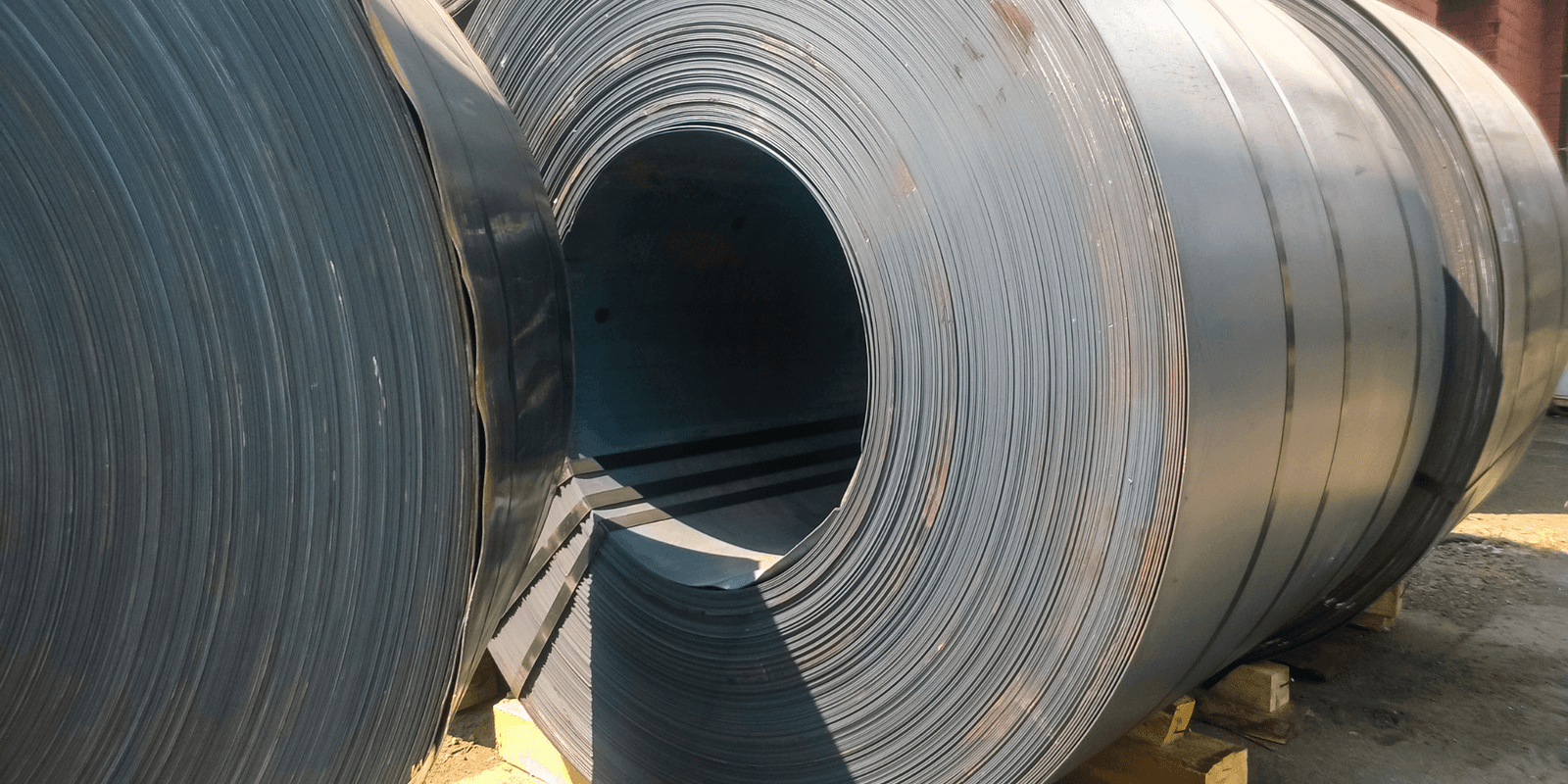
The news of job losses at Stelco in Hamilton this week hit close to home for me.
I grew up in Thunder Bay during a period of profound economic change. Forestry and manufacturing jobs were disappearing, mills were closing or restructuring, and families who had built their lives around those industries faced an uncertain future.
My own family was part of that story. My father and uncles worked in forestry in Thunder Bay and steelmaking in Sault Ste. Marie. I remember how difficult those years were for friends and families, including my own.
Those changes were part of a much larger shift. Globalization was accelerating, free trade was expanding and reshaping how and where companies invested and produced. Communities like mine experienced those forces very personally.
For many in my generation, the answer was to leave. We went elsewhere to find opportunities our communities could no longer provide.
I still think about that decision. Part of me wishes I had stayed and built my career in my home community. Maybe some of that was the impatience of youth. But when you're starting out, you can't always wait for the next opportunity to arrive.
That's another cost of economic disruption we don't talk about enough: communities can lose people as well as jobs. Talent, energy and entrepreneurship leave with them, and can be difficult to bring back.
But those communities didn't stand still. Over time, Thunder Bay, Sault Ste. Marie and communities across Northern Ontario built new economic strengths while continuing to evolve their industrial economies. Tourism became an increasingly important part of that mix, supporting entrepreneurs, attracting investment and creating jobs.
Later, working in South Georgian Bay, I saw a similar story following the decline of industries like shipbuilding: not one industry replacing another, but communities gradually building a broader base of economic opportunity.
It took time. In many places, it took a generation.
Today, the circumstances are different, but there is a familiar echo. Once again, changing trade relationships are testing industries, businesses and communities that depend on access to markets beyond our borders.
Perhaps there is something we can learn from the last time.
Our industries are far more connected than we sometimes acknowledge.
Steel, forestry and manufacturing don't sit apart from Ontario's visitor economy. Good industrial jobs generate travel spending. Customers, suppliers and executives create business travel, meetings and hotel stays. Major employers support festivals, cultural institutions, sports and community organizations. They help create the vitality that makes communities great places to live, invest, and visit.
Tourism gives something back. Visitors bring new money into communities. The visitor economy supports local businesses, attracts investment, sustains amenities and helps create places that attract and retain the workers and talent other industries need.
We grow together, and we need each other.
Governments across Canada are rightly responding to today's trade uncertainty by protecting strategic industries, strengthening supply chains, building infrastructure, diversifying markets and attracting investment.
But perhaps the lesson from the last generation is that our response can be broader still.
When we invest in steel, manufacturing, forestry, mining, energy and other strategic sectors, we should also consider the economic ecosystems around them, and how tourism, culture, transportation, downtowns and community infrastructure can amplify those investments.
This isn't about choosing one sector over another. It's about getting more growth and resilience from all of them by recognizing how they work together.
Ontario's industrial communities aren't simply places with proud economic histories. They are places with industrial futures. They continue to make things, innovate, export and create prosperity. Their heritage, culture, waterfronts, downtowns, landscapes, attractions, events and people are additional strengths we can build alongside that industrial capacity.
We shouldn't accept decline in one sector as the prerequisite for growth in another. We should build both.
Our opportunity is to apply what we've learned and act earlier; not only to protect jobs, but to create enough opportunity that the next generation can choose to build their careers and lives in these communities.
That's part of why I'm so committed to Forward Motion: A Strategic Playbook for Ontario's Tourism Industry. It's a roadmap for growing Ontario’s visitor economy through investment, new products and experiences, workforce, transportation and collaboration. It aims to contribute more fully to the growth and resilience of communities across Ontario.
I remember what economic disruption looked like for my family, my friends and my hometown. I also remember feeling that I needed to leave to build my career.
I'd like the next generation to feel that they have more choices than mine did.
That's another reason to act earlier and to build all parts of our economy together.
I'd be interested in hearing from others: Have you seen this story play out in your own community? What have we learned about building stronger, more diverse local economies and what should we do differently this time? Send us an email: info@tiaontario.ca.
Andrew Siegwart,
President and CEO,
TIAO